
Introduction
Predictive analytics is a branch of analytics that uses historical data, statistical algorithms, and machine learning techniques to predict future outcomes. In simpler terms, it’s about using past information to forecast what might happen in the future. This can be applied to various fields such as business, finance, healthcare, and more, to make informed decisions and anticipate trends or events before they occur.
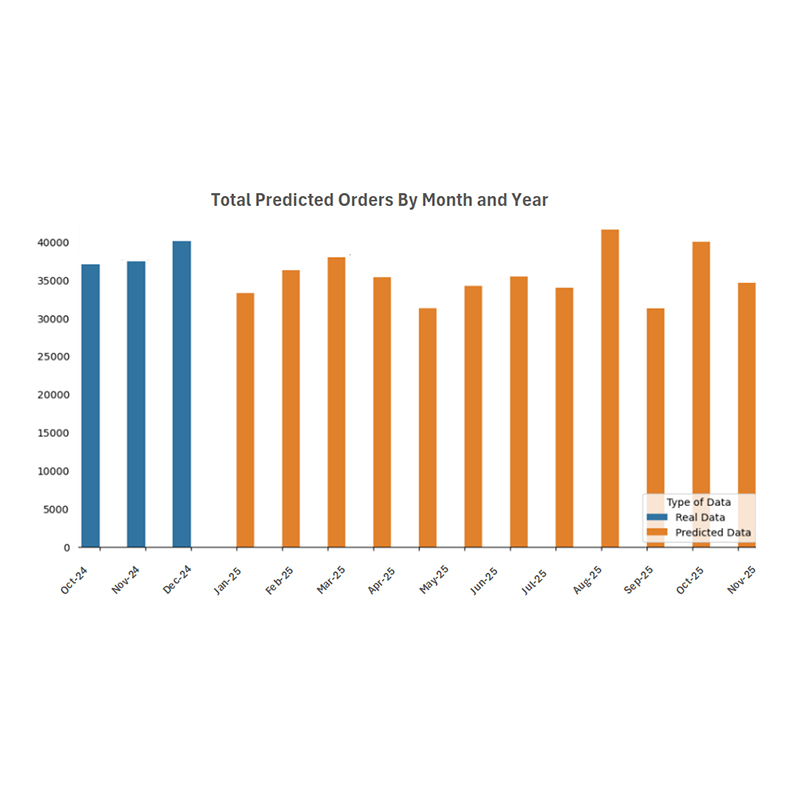
In today’s dynamic business landscape, accurate forecasting of future transactions is crucial for organizations to make informed decisions, allocate resources effectively, and strategize for long-term success. This case study explores the development of a predictive model aimed at forecasting transactions over a 15-month period.


Background
Our one of esteem customer possesses a wealth of historical transactional data spanning various business activities. The organization seeks to leverage AI and machine learning to develop a robust predictive model, thereby enhancing its ability to forecast future transactions accurately.
Methodology
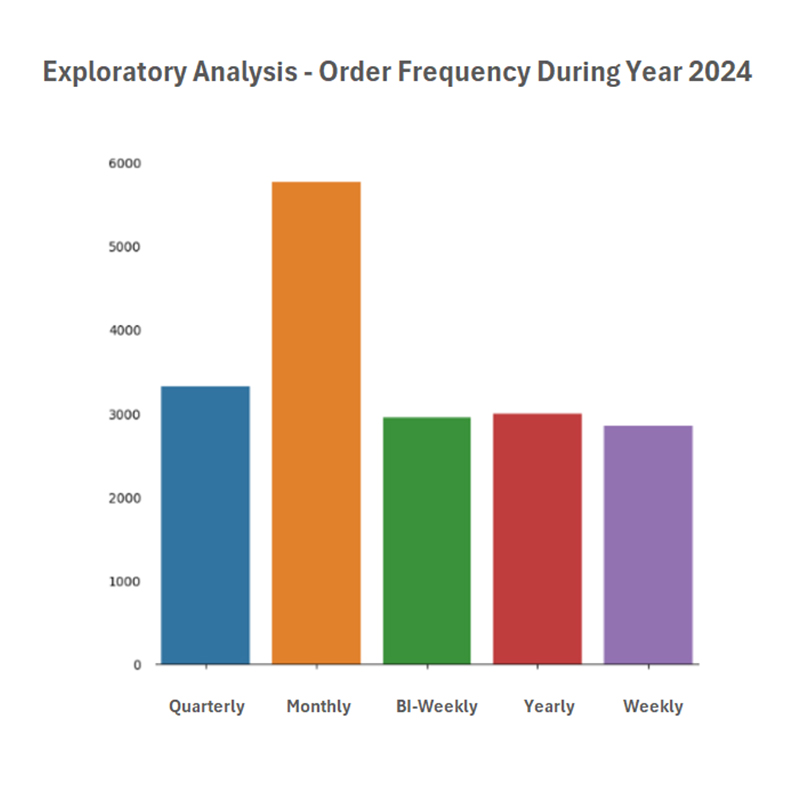
The project follows a structured methodology, beginning with data collection and preprocessing. Historical transactional data, including key features such as delivery date, signup-type, frequency, subscription size, etc are gathered and cleaned to ensure data quality. Snowflake is utilized as the data warehouse for storing and managing transactional data. Machine learning algorithms, including random forest and XGBoost, are employed to train the predictive model. Python serves as the primary programming language for data preprocessing, model training, and evaluation. Jupyter Notebooks are utilized for writing and executing code, providing an interactive environment for model development and experimentation.

Model Development
Using the cleaned historical data stored in Snowflake, predictive models are trained and fine-tuned using machine learning algorithms such as random forest and XGBoost. Features such as frequency, subscription size, and other factors are incorporated to enhance the predictive capabilities of the model. Various performance metrics, including accuracy, precision, and recall, are utilized to assess the effectiveness of the predictive model.
Results
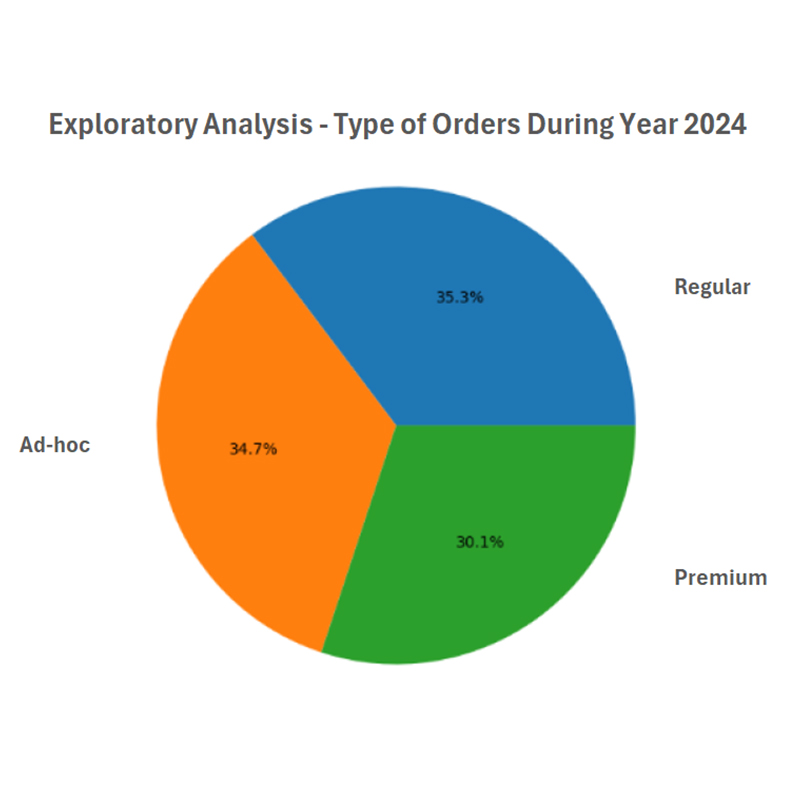
The developed predictive model demonstrates promising results in forecasting future transactions over the next 15 months. By leveraging historical transactional data and relevant features, the model provides actionable insights that enable decision-makers to anticipate transaction trends, allocate resources efficiently, and strategically plan for the future.
Conclusion
The successful development of a foundational predictive model represents a significant milestone for the organization in its journey toward data-driven decision-making. By harnessing the power of predictive analytics and leveraging tools such as Snowflake, machine learning algorithms, Python, and Jupyter Notebooks, the organization can gain a competitive edge in forecasting future transactions and navigating the complexities of the business environment effectively.